THREE DAYS OF MARXIST DISCUSSIONS | 1000+ COMMUNISTS | FIGHT FOR REVOLUTION!
Location: TBD, London
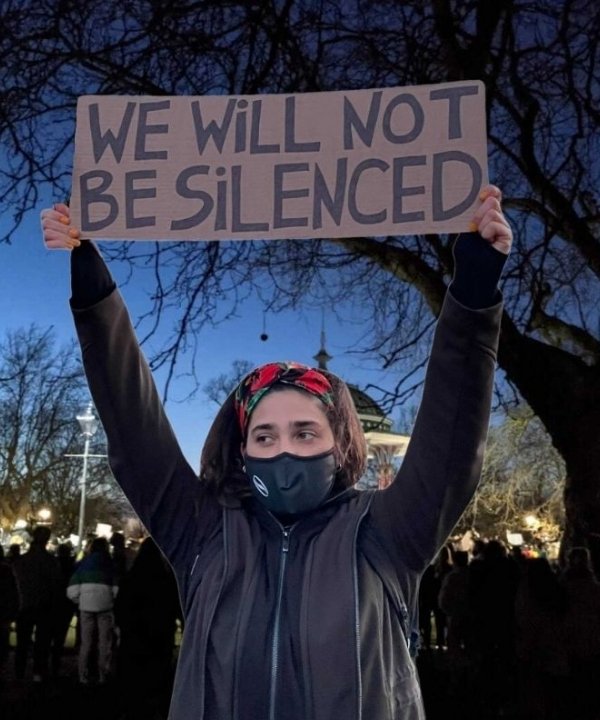
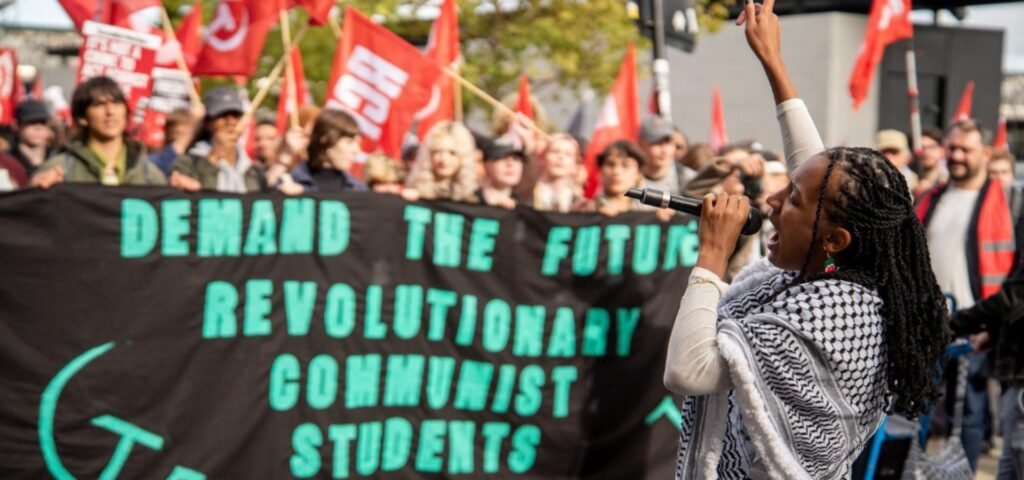
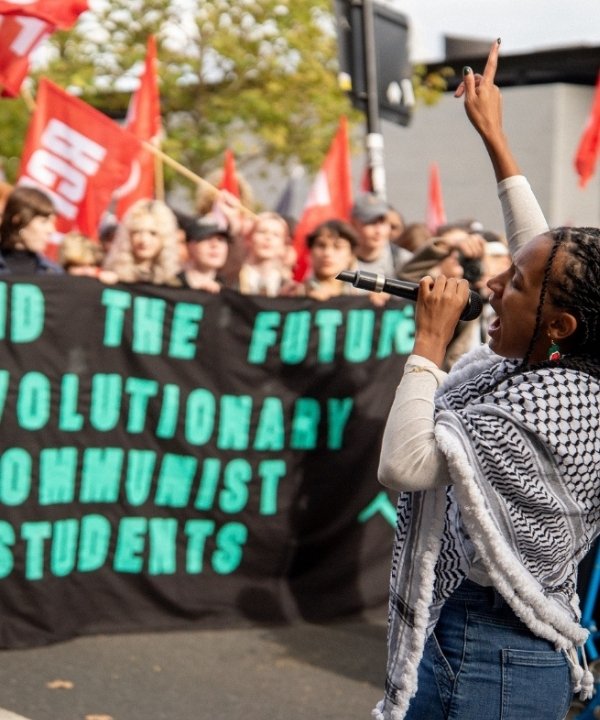
All over the world the youth are taking to the streets to demand a future that capitalism is denying them.
Wider layers of the working class are being drawn in. We’re entering a period of intensified class struggle.
Theory is our sharpest weapon in that struggle. The purpose of this school is to train revolutionary communists in the ideas necessary to overthrow capitalism and change the world.
There are 22 discussions taking place across the weekend, on a range of topics, with over a thousand communists from Britain and around the world taking part.
We will hear from special guests, like members of the Revolutionary Communist Parties of France, Germany, and the Spanish state, who will be reporting back on their experiences in the intensifying struggles.
Concurrent talks will be taking place on the Saturday and Sunday at two different time slots. Check the details below. A consolidated timetable will be uploaded nearer to the event.
The rooms for each talk vary in size and can be in high demand — we can’t guarantee that a seat will be available for everyone in all the sessions, best to arrive a bit early if you can.
This weekend is about sharpening our theoretical weapons. A reading list will be put together and shared here soon, which can be used to prepare for the discussions that you would like to attend.
With Alan Woods, plus guest speakers from the movements in France, Germany, and the Spanish state
With Rob Sewell
With Fiona Lali
18:30 — 21:00
10:00 — 12:00
13:30 — 15:30
16:00 — 17:30
10:00 — 12:00
13:30 — 15:30
15:30 — 16:30

Speaker: Antonio Balmer, Revolutionary Communists of America
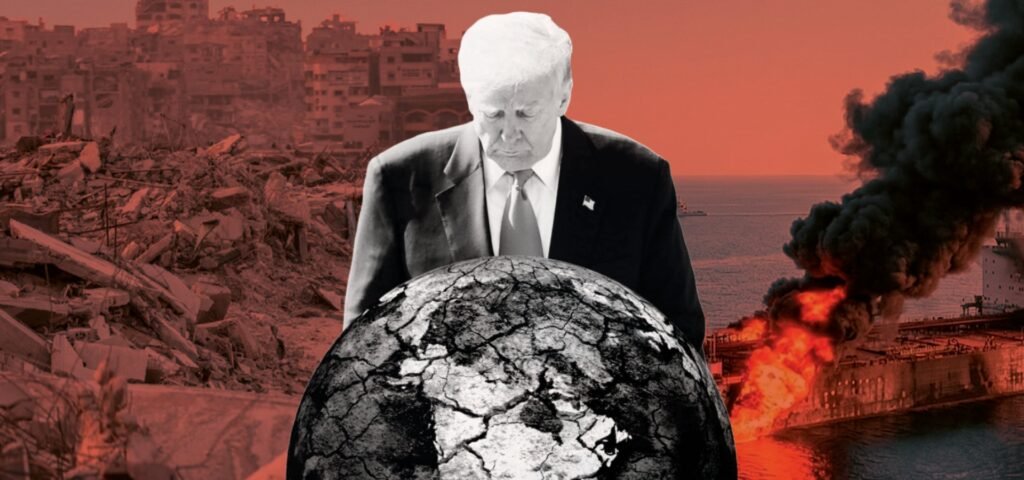
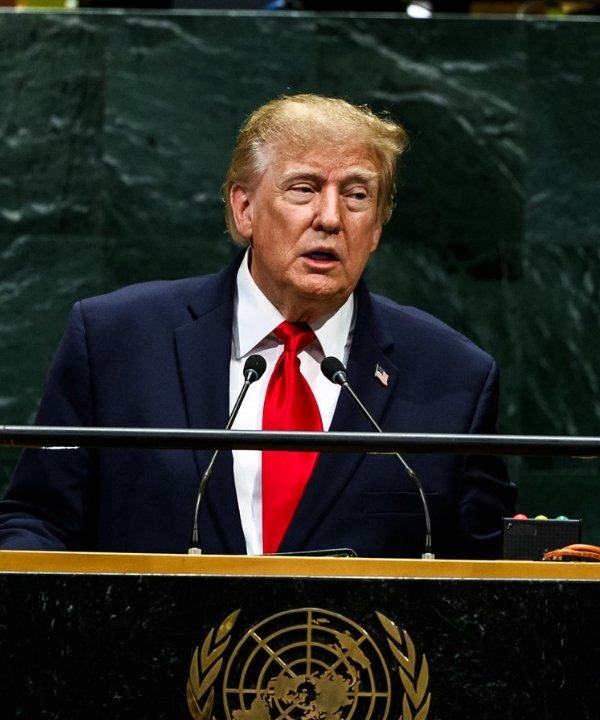
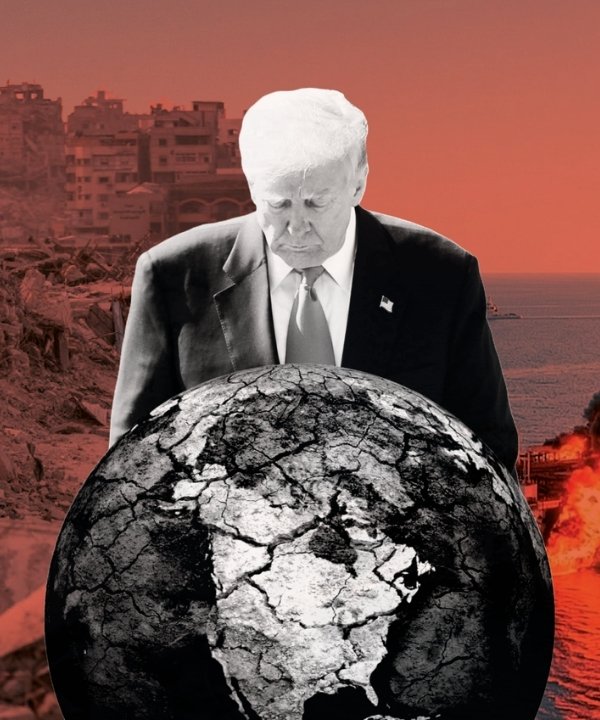
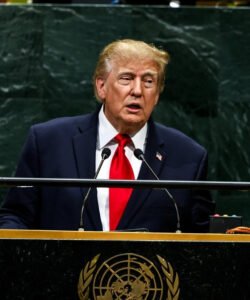
It’s hard to avoid the feeling that we live in the Trump era. People around the world have spent much of the past decade asking themselves how it is that the chaos of global events appears to revolve around the whims and ego of one man.
From the collapse of the post–WWII liberal world order to the accelerating decline of US imperialism, some of the major plot lines of recent history seem to feature the same protagonist. Trump himself certainly thinks so. “He’s been talking recently about how he is the most powerful person to ever live,” one of his confidants in the White House reported earlier this year.
How did someone like Trump end up standing in the eye of history’s storm? From the perspective of the underlying forces driving events, was the Trump era really necessary? Antonio Balmer from the Revolutionary Communists of America will tackle these questions.

Speaker: Lubna Badi, CC member and Key City coordinator for the RCP.
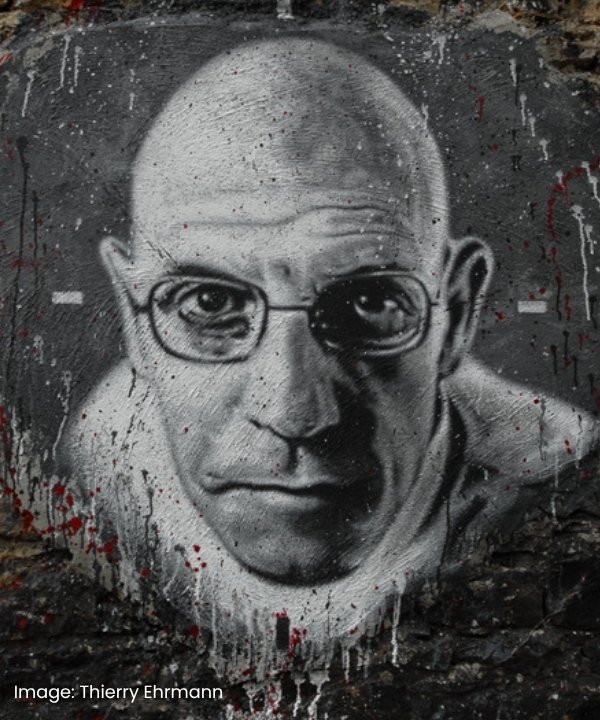
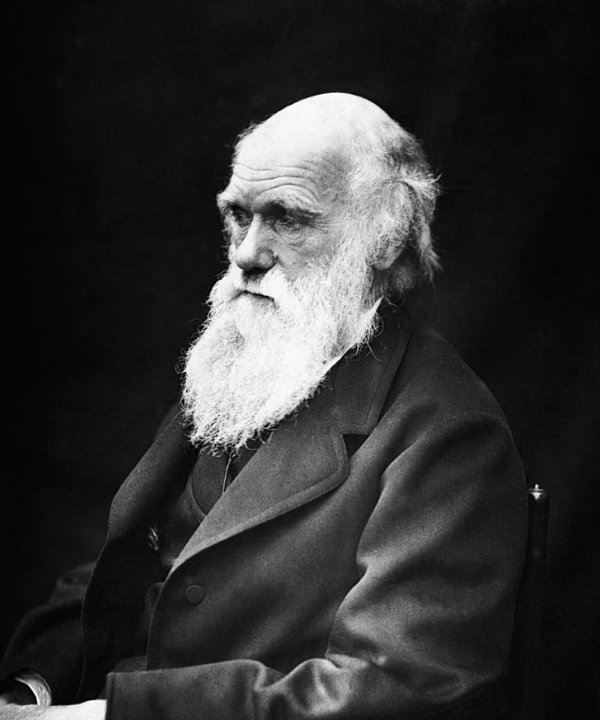
Lyotard famously defined postmodernism as an “incredulity towards metanarratives”: a rejection of the big ideas that have shaped our understanding of history, truth, science, and progress. But if nothing can be known with certainty, how can we understand the world, let alone change it?
Today, the very idea of progress is back under the spotlight. From Foucault, Lyotard and Derrida to contemporary thinkers such as Judith Butler, we find influential currents of thought that challenge the possibility of universal truths and objective laws governing historical development. Even Silvia Federici, whom people may consider a “Marxist-feminist”, has drawn on the idea that there is no such thing as progress. But where does this leave us? If history has no discernible direction and the world cannot be understood as a whole, are we left politically disarmed, trapped in a cycle of cynicism and despair?
Marxism offers a radically different approach. Against the idealism and scepticism of postmodernism, we defend a materialist philosophy that seeks to uncover the laws and contradictions driving historical development. We do not study the world simply to interpret it, but to understand it, in order to change it.

Speaker: Jorge Martin, member of the International Secretariat of the RCI.
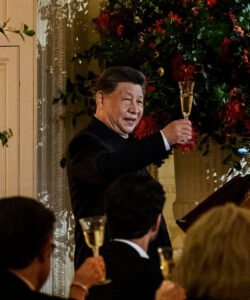
The Chinese economy has grown spectacularly over the last 30 years. From producing cheap toys and textiles for export and being a source of cheap labour for multinational companies, it has developed a massive modern economy which competes with the US in the most advanced technologies and has overtaken it in some.
Such a transformation has led to many questions in the left. Is China socialist? Is this capitalist development part of a plan by the Communist Party of China to prepare the path for socialism? Does China help free backward countries from imperialist domination or is it an imperialist country herself? What is the position of workers in Chinese society and what contradictions is it facing?
Jorge Martin will discuss these and other questions from a Marxist point of view.

Speaker: Jorge Martin, member of the International Secretariat of the RCI.
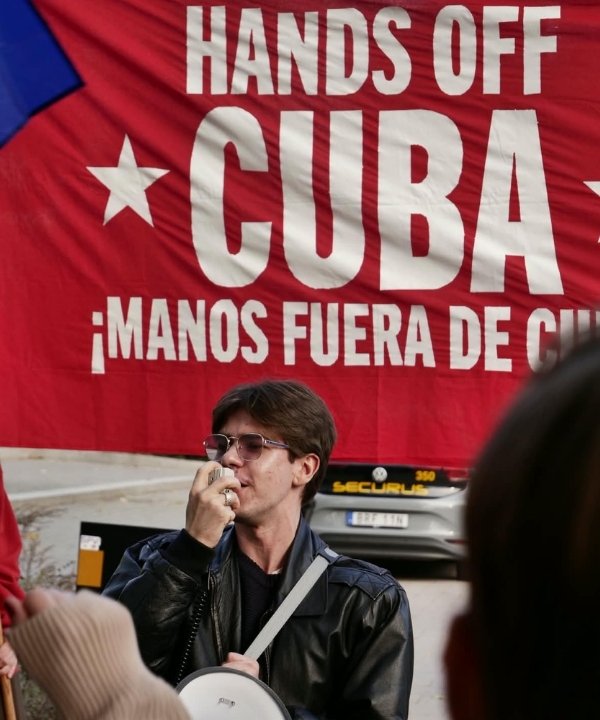
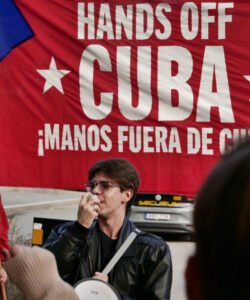
The Cuban revolution faces its most dangerous situation ever, as Trump and Marco Rubio have threatened to “take over” the island. These are not idle threats, as well as the decades long blockade of the Cuban economy and constant imperialist aggression, Washington has now imposed a total oil blockade, has indicated Raul Castro, flown military spy planes and systematically attempted to cut off all sources of income.
In this talk, Jorge Martin will explain the historic significance of the Cuban revolution, why is it considered such a threat for US imperialism and the meaning of the recent economic measures adopted by the Cuban leadership. As communists, we have the duty to defend the Cuban revolution, but how can that be done effectively?

Speaker: Khaled Malachi, Executive Committee member and national strategist for the RCP
“We are led, by events and common sense, to one conclusion: the survival of liberty in our land depends on the success of liberty in other land.” Four years into the illegal invasion of Iraq, George W. Bush spoke these words.
With typical imperial arrogance, the representatives of US imperialism believed that they could bend the Middle East to their will: ‘democracy’ and ‘freedom’ would be enforced by the barrel of a gun. But as the recent Iran war has exposed, the power of the US is not limitless.
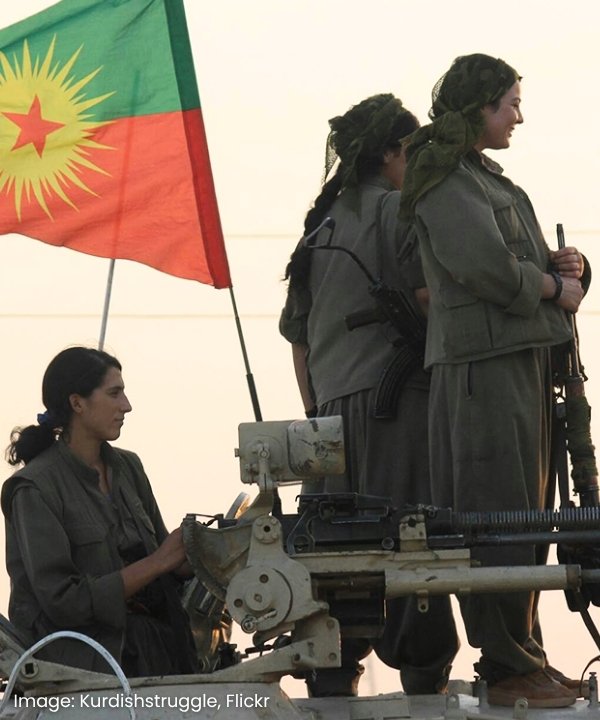
In this talk, Khaled Malachi will trace the protracted decline of US imperialism in the Middle East, fuelled by the short-sightedness and stupidity of its representatives. The talk will analyse the general processes, rifts, and divisions within the region – and put forward a revolutionary programme to free the region from the grip of imperialism.

Speaker: Will Collins, CC member and Key City coordinator for the RCP.
The crisis of capitalism is causing mass anger against the system. People everywhere are looking for a solution to the burning problems of our age.
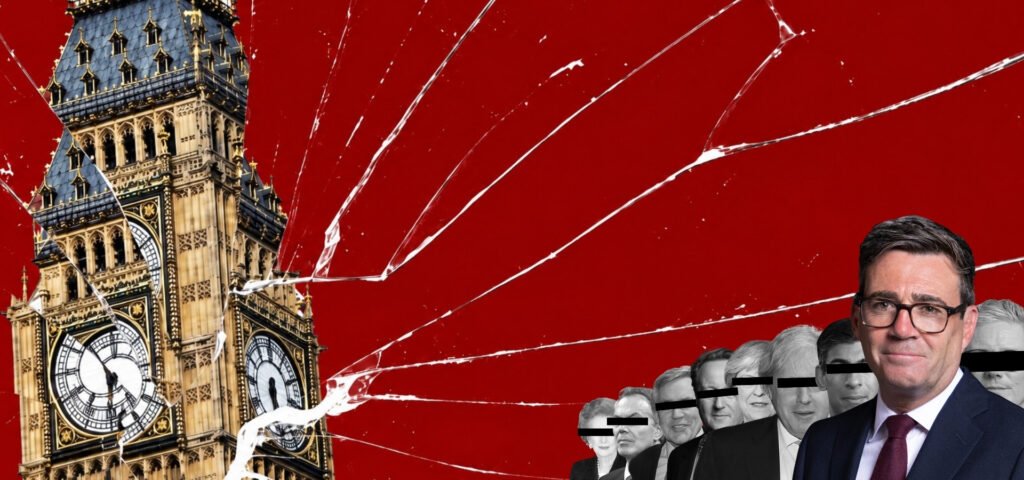
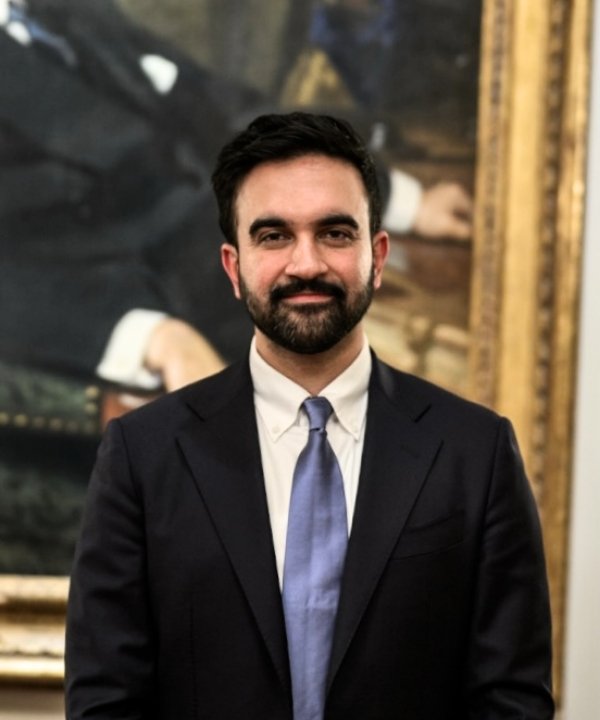
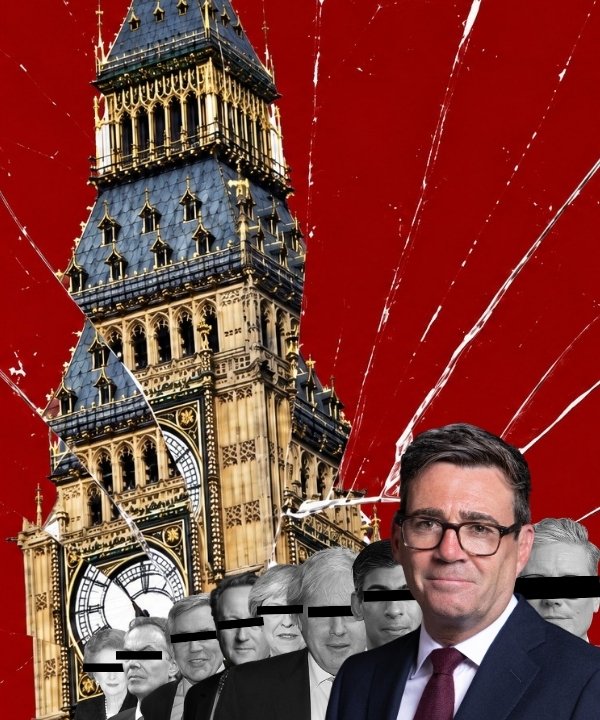
Since the 2008 capitalist crisis, this anger has been desperately looking for a conscious expression. Figures such as Jeremy Corbyn and Bernie Sanders arose out this. After betraying the movement, we now see figures dubbed the ‘Gen Z socialists’, eg. Zach Polanski and Zohran Mamdani. The major similarity between all these leaders is that they believe we do not need a socialist revolution, and that capitalism can be reformed to remove its worst features. Why is this happening now? Can these figures carry out their programs? Or will they make the same well-trodden mistakes of the past?
In this talk, Will Collins will be answering these questions and explaining how the question of Reform or Revolution has always been the most fundamental ideological struggle within the workers movement. History has proven that a revolutionary overthrow of capitalism is the only solution to the world’s problems.

Speaker: Ben Gliniecki, Executive Committee member and General Secretary of the RCP
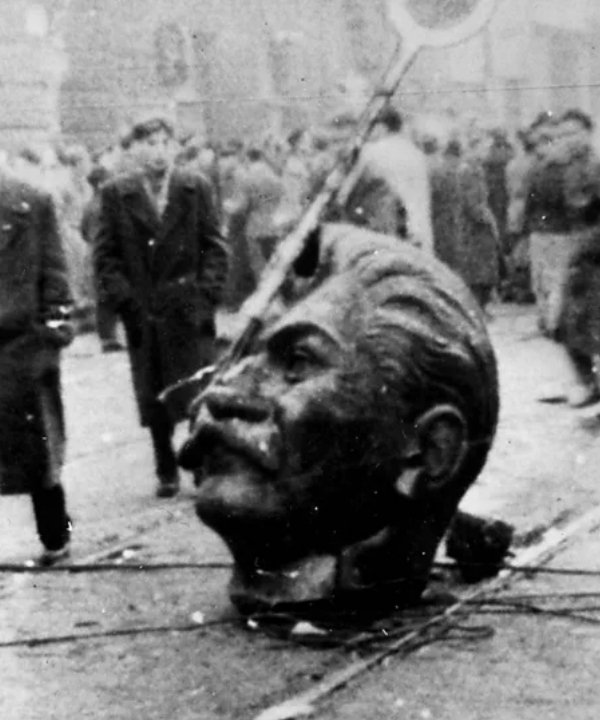
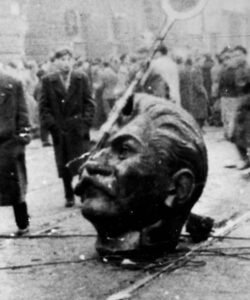
Seventy years ago, in October 1956, Hungarians flooded into the streets. For eleven days they fought a brutal Stalinist dictatorship. By the end they were battling Soviet tanks street by street.
Contrary to Stalinist slanders, this was never a movement for the restoration of capitalism. It was an attempt by ordinary Hungarians to take control over their own lives and establish a healthy socialist society.
The revolution was ultimately crushed with an iron fist and Soviet tanks. Tens of thousands of Hungarian workers were killed and countless more injured. This great revolutionary movement ended in tragedy.
These events caused revulsion, crisis and splits throughout the global communist movement, including in the Communist Party of Great Britain.
The struggle of the Hungarian masses remains a monument to the fight for genuine communism, as an alternative to both capitalism and Stalinism. This is a fight we continue today.

Speaker: Jack Tye Wilson, Executive Committee member for the RCP and editor of communist.red
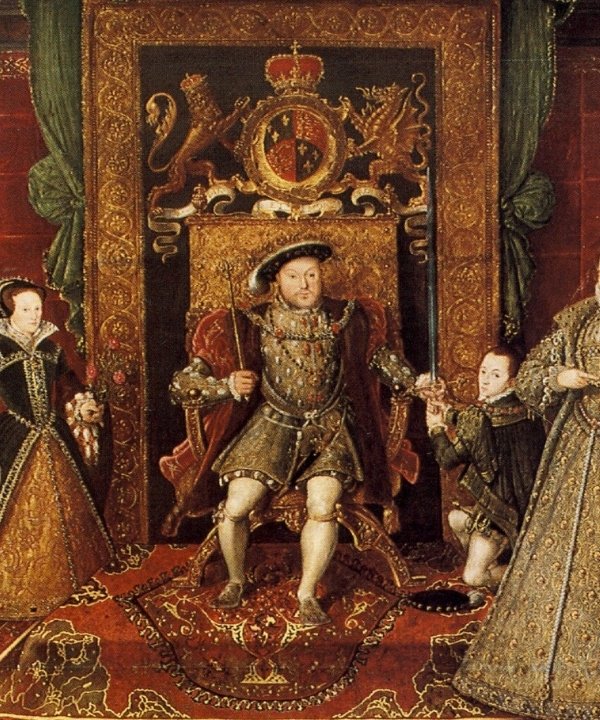
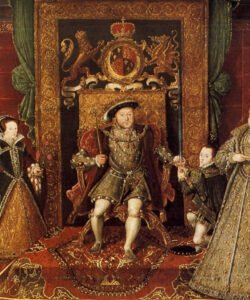
The ‘Tudor century’ saw the most dictatorial, untrammeled monarchical rule in English history: a period of queens and lords beheaded; icons and altars smashed; heretics burnt at the stake; and vagabonds flogged and branded.
And yet, the selfsame processes that were unleashed by the Tudors’ absolute monarchy would soon come back to haunt their successors in the following century, when they were overthrown in the stormy events of the English Revolution.
The break with Rome, the Reformation, the dissolution of the monasteries, and the war with Spain all nurtured and strengthened the nascent bourgeois elements in English society.
The Tudor century is the starting point of a world that is recognisable as our own – where the accumulated rubbish of the medieval epoch began to be swept aside, and the bourgeoisie stepped onto the stage.
For these reasons, the period in question is worthy of the attention of all historical materialists.

Speaker: Nelson Wan, Executive Committee member and national education organiser for the RCP.
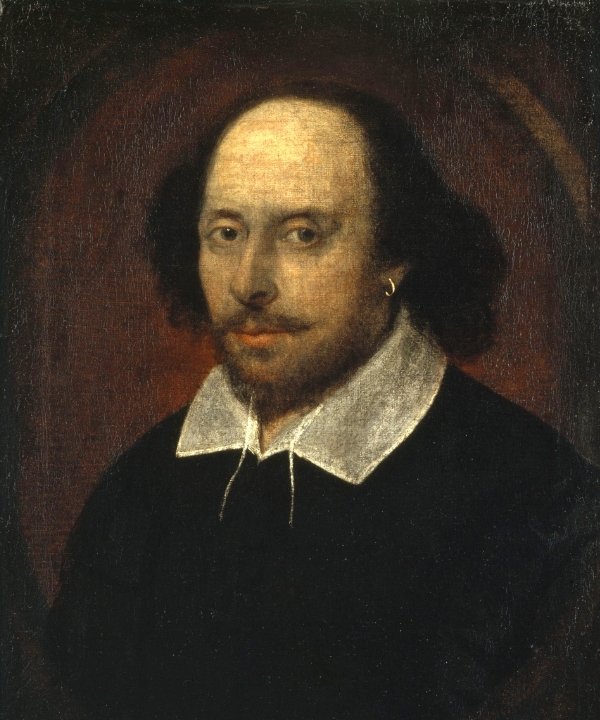
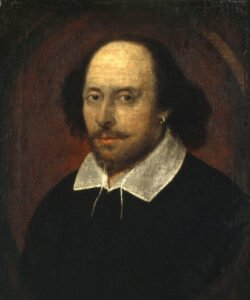
William Shakespeare is widely considered to be the greatest writer in the history of the English language. No other artist has had the same impact on English and world literature than Shakespeare, and 410 years after his death, there is no sign of his popularity even beginning to diminish.
It is often said that Shakespeare’s work expresses what it means to be “human” in a more profound and engaging way than anyone else. Whilst this is true in a general sense, Shakespeare was also a product of his time, and his works reflect the social and political attitudes (as well as problems) of the period he lived in.
In this talk Nelson Wan will explain why Shakespeare emerged in the historical period that he did, why he stood head and shoulders above all his contemporaries, and with reference to specific plays, what exactly makes his work so popular and enduring today.

Speaker: Adam Booth, Executive Committee member for the RCP and editor of The Communist
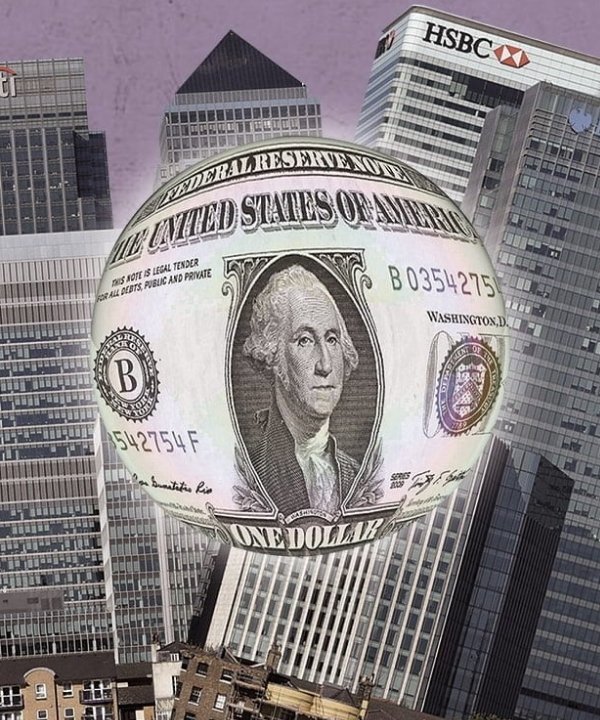
From the Dutch tulip craze of the 1630s, to the South Sea and Mississippi mania of 1720, to the AI ‘gold rush’ today: the history of capitalism is littered with bubbles.
Added to this list of investor frenzies and follies are the devastating capitalist crises that have followed in the wake of the biggest bubbles – most notably, the Wall Street Crash of 1929 and the subsequent Great Depression, and the 2008 financial catastrophe and global economic slump.
The regularity with which such calamitous events occur shows that they are no mere ‘accident’; not a bug, but a feature of the capitalism system.
On every occasion, the capitalists tell us that ‘this time is different’. The truth, however, is that these spivs and speculators have no clue about how capitalism works – and why it doesn’t. They are simply grifters, gambling with our lives.
In this talk, Adam Booth – author of Understanding Marx’s Capital – looks back at the key bubbles from the last few hundred years: explaining how they happened, why they consistently crop up under capitalism, and why the capitalist system today is such a casino.
Speaker: Josh Holroyd, member of the International Secretariat of the Revolutionary Communist International
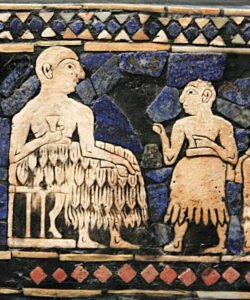
Poverty, exploitation and oppression seem so woven into our world that it’s easy to believe they have always been with us. For thousands of years, kings, philosophers and priests have told us that suffering is simply human nature. But what if the evidence says otherwise?
For almost the whole of our existence as a species, humans lived in egalitarian communities, without lords or masters. So where did class society come from? And is humanity doomed to be divided into classes for the rest of time?
In this talk, Josh Holroyd will draw on modern archaeology to explore how some of the earliest class societies and states came into being, and what this means for the future of class society itself. He will argue that the crisis of capitalism is also the crisis of class society, and explain why this matters for the struggle of communists today.

Speaker: Joe Russell, Executive Committee member and national treasurer for the RCP
US imperialism is in decline and facing its largest military defeat in its history. China is rivaling it as an economic powerhouse. European imperialism is in terminal decline. Russia has re-emerged as a powerful imperialist challenger.
As the balance of power shifts, the world feels like a very dangerous place as these great rivals seek to increase or defend their spheres of influence at each other’s expense. War is back on the agenda and the European imperialist war machine is grinding back into gear. Germany is rearming and aiming to be the largest military power in Europe by 2039.
This will be a defining feature of this decade. Questions of war, national security, military spending, will be inescapable. War can be the midwife of revolution, but this requires a strong party and the correct policy. In this talk, Joe Russell will discuss how Marxists should approach such questions in these times or war, revolution, and counter-revolution that are opening up before us.

Speaker: Daniel Morley, Executive Committee member and national education organiser for the RCP
Barely a day goes by without some new, unsettling news regarding Artificial Intelligence. We can no longer trust the images and videos we see, no matter how realistic. We can no longer read anything written by a friend, colleague or potential date without thinking ‘are these really their own words, or that of a machine?’
What are our job prospects in five, ten or fifteen years time? Will humanity even survive the next few decades, or will we be outcompeted and out-thought by machines produced by greedy, unaccountable billionaires? Or will the whole turn out to be a hyped-up let down, an empty bubble which bursts and takes the economy down with it?
All these questions are being asked every day by millions of people who feel increasingly anxious, alienated and disgusted by this unstoppable wave of new technology. In this discussion, Daniel Morely will answer these questions using the method of Marxism, ultimately concluding that whatever we think of the technology, the driving force of this chaotic process is the capitalist market, and the only way to master the machine is by abolishing the market.

Speaker: Manon Powrie, leading member of the RCI.
The planet is facing calamity. Climate change is increasingly a part of the daily lives of millions of people as heatwaves, wildfires and apocalyptic floods sweep across the world. It is intensifying an already volatile situation facing the world: turmoil in the global economy, imperialist warmongering and major political upheaval.
The capitalist class is not ignoring this; it is cynically preparing to survive it, folding climate change into its defence strategies and protecting financial portfolios, while continuing to destroy the planet.
In this talk, Manon Powrie, will answer the questions of why capitalism is incapable of tackling the climate crisis, why the climate movements of recent years have dissipated at the very time that people are looking for an alternative, and why the struggle for a liveable planet is part of the class struggle and fight for communism.

Speaker: Fiona Lali, Executive Committee member and national campaigns coordinator for the RCP
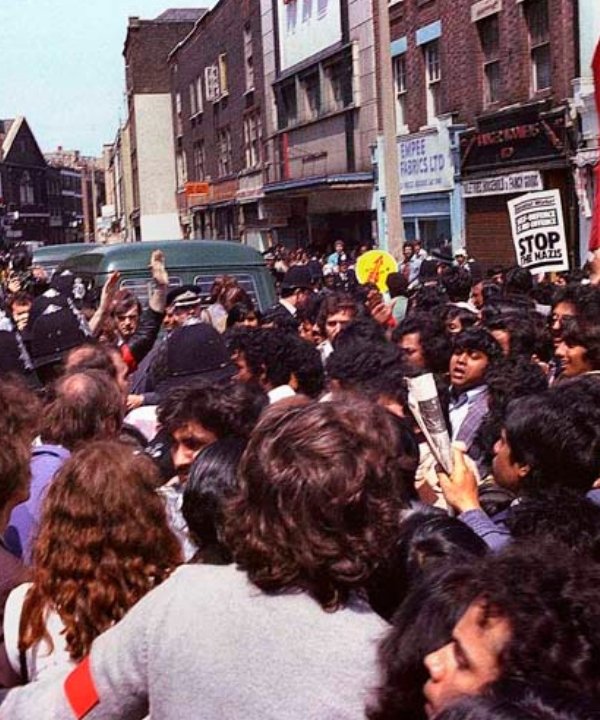
Racism has a long history in Britain. It is built into the riches and ideological foundations of the modern state. It can be traced, from the slave trade, to the Empire, to the ongoing wars in the Middle East.
At all of these junctures, the ideological tool of racism has been used to justify the super-exploitation and degradation of other people, in the interests of British capitalism. And today, it is no different.
The dominant ideas of any society are the ideas of the ruling class. While the most overt racist ideas of Empire and slavery have been scrubbed from their outposts, the latent force of racism remains in British society.
This is because capitalism will use any tool it can to divide the working class. Without a serious political battle against the ideology of the ruling class, British workers are left to absorb the rotten poison that the capitalists promote everyday, through the media and figures like Tommy Robinson and Nigel Farage.
In this talk, Fiona will discuss why racism is a weapon of choice for the ruling class to demobilise and divide the working class, but also why it can only be combatted with the methods of militant class struggle and revolution.

Speaker: Orla Thomas, member of the RCP Central Committee
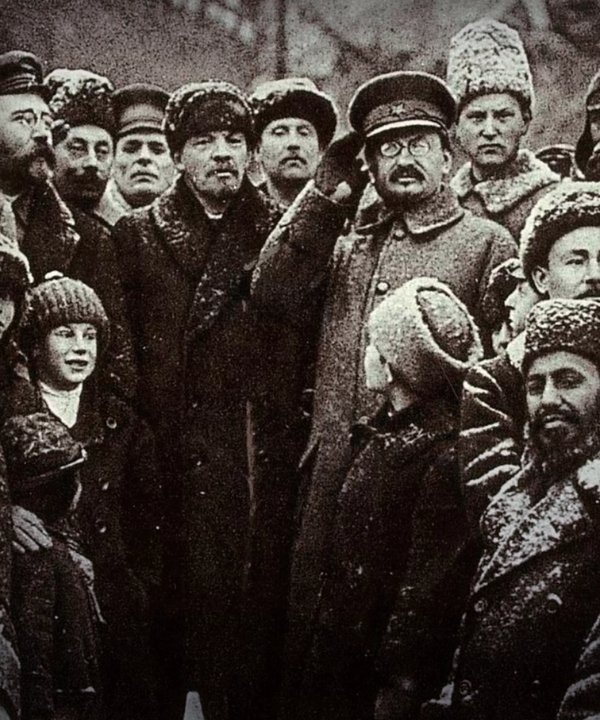
The Russian Revolution of 1917 was the most inspiring even in human history, however, its legacy has been distorted many times over.
One of the most scandalous distortions came from Stalin’s struggle against ‘Trotskyism’, in which he tried to drive a wedge between the two leaders of the revolution. In doing so, he severed the Communist movement from its roots not only in the ideas of Trotsky but of Lenin, Marx and Engels.
Lenin and Trotsky: What They Really Stood For was written to set the record straight on the history of Bolshevism and the Russian Revolution and reclaim the true ideas of communism. With millions of young people looking towards revolution as the solution to capitalist misery today, the text has a renewed significance prompting its republication by WellRed Books.